FROM TRADITION TO INNOVATION: NUTRITIONAL, ANTIOXIDANT AND SENSORY EVALUATION OF MODERNIZED MEDITERRANEAN RECIPES

On December 18th, 2025, the Mediterráneo Culinary Center, a training institution in Valencia specialized in culinary arts and dietetics with over 25 years of experience (https://mediterraneoculinary.com/), hosted a workshop for students of the Dietetics and Nutrition.

14/01/2024
Workshop

Workshop on Modernizing Mediterranean Recipes at Mediterráneo Culinary Center


Bionutest Research Group and the MEDIET4ALL Project

The workshop was carried out by Bionutest research group (https://www.uv.es/bionutest/) of the University of Valencia (UVEG), Spain, and focused on modernizing traditional Mediterranean recipes. Through practical examples, the workshop demonstrated how small modifications can enhance the antioxidant capacity and nutritional profile of dishes without compromising their identity (Figure 1).

The activity, part of the European MEDIET4ALL project under the PRIMA program (European Commission), showed that it is possible to combine culinary tradition, innovation and health benefits in a single dish while maintaining good sensory acceptance.
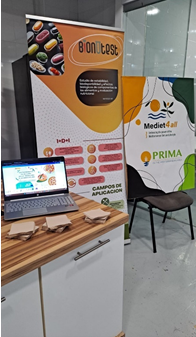
Figure 1. Presentation stand of the MEDIET4ALL workshop in Mediterráneo Culinary Center (Valencia, Spain)


Opening Presentation by the Research Team

The session began with a presentation by Marta Cuenca Ortolá, a PhD student at the Bionutest research group and member of the MEDIET4ALL project, accompanied by professors Antonio Cilla, Amparo Gamero, Mónica Gandía, Amparo Alegría and Guadalupe García) and Ainhoa Piera, a student in the Degree in Food Science and Technology.

Focus on Traditional Recipes: Tortilla and Tiramisu

The workshop focused on two iconic recipes: (i) the Spanish potato omelette and (ii) the Italian tiramisù. Throughout the session, 23 students explored both the theoretical background on antioxidants and the culinary practice, learning how small modifications (mainly through the addition of sauces developed by Microtarians SIS (https://www.microtarians.com/en) (MT, Luxembourg) can improve the nutritional profile and antioxidant capacity of traditional dishes without altering their essence.

Interactive Learning and Sensory Evaluation

After the theoretical presentations, the students took part in an interactive class on the topics covered, followed by a Kahoot, a game-style quiz designed to animate and assess whether they had grasped the essential knowledge. Finally, they participated in a sensory analysis workshop, tasting both the traditional and modernized versions of each recipe, evaluating visual appearance, aroma, texture, and taste, and expressing their preferences.


Traditional Spanish Potato Omelette vs Modernized Version

The traditional Spanish potato omelette made with potatoes, eggs, onion, salt, and extra virgin olive oil, was compared with a modernized version that included a MT sauce made from kombucha, cooked white beans, fermented lemon, mustard seeds and walnuts, with the potatoes pre-boiled to reduce frying time. These modifications added freshness, color and improved the nutritional profile and antioxidant capacity of the dish (Figure 2).
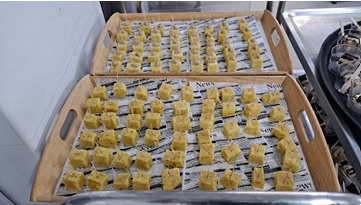
Figure 2. Traditional and modernized versions of the Spanish potato omelette

Nutritional Improvements of the Modernized Omelette

The innovative version reduced calories by 9% and salt by 28%, while significantly increasing vitamin C (+200%), zinc (+300%), and magnesium (+60%). Total polyphenols and antioxidant capacity were boosted up to 7.8 times compared to the traditional version.

Sensory Tasting Results

In the sensory tasting, the traditional omelette was preferred over the modernized version, with average scores of 4.17 versus 3.04 out of 5. The 57% of participants chose the classic recipe, reflecting the strong cultural and sensory attachment to this iconic Spanish dish.

Positive Feedback on Modernized Version

Despite the lower overall score, the modernized version received positive feedback for specific sensory attributes. Tasters highlighted the freshness provided by the kombucha and fermented lemon sauce, as well as the aromatic contribution of mustard seeds and walnuts. These acidic and crunchy elements contrasted with the creamy texture of the traditional omelette, creating a different sensory profile.

Cultural Attachment and Acceptance of Innovative Recipes

Although the modernized version did not surpass the classic version in overall acceptance, the innovative recipe generated interest due to its originality. This lower preference suggests that dishes strongly rooted in tradition may show resistance to major modifications, even when nutritional improvements are evident (Figure 3).
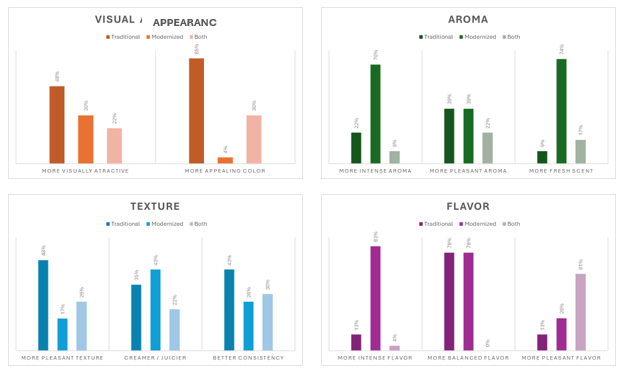
Figure 3. Sensory preference for traditional vs. modernized potato omelette.


Traditional Tiramisu vs Modernized Version

The traditional tiramisu made with cream, coffee, mascarpone, ladyfinger biscuits, Marsala wine, sugar, chocolate and cocoa powder was modernized by adding another MT sauce made with kombucha, dried red onion, grape juice, lemon and cinnamon (Figure 4).
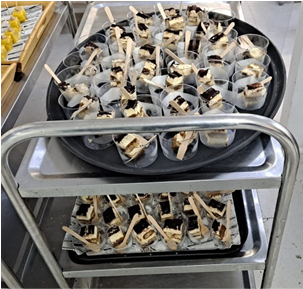
Figure 4.Traditional and modernized Italian versions of the tiramisù.

Nutritional Enhancements in the Modernized Tiramisu

The innovative version contained 20% fewer calories, lower saturated fat, and higher levels of magnesium and vitamin E. Total polyphenols increased by 270% and antioxidant capacity doubled compared to the classic recipe.

Sensory Tasting Results

In the sensory tasting, the modernized version was preferred by 61% of participants. Average liking scores were very similar (3.91 out of 5 for the modernized version vs. 3.87 for the traditional), indicating that the reformulation did not compromise palatability.

Positive Sensory Feedback

Participants particularly appreciated the reduced sweetness, reflecting current preferences for less sugary flavours, along with new aromatic notes contributed by kombucha, cinnamon and grape juice, which provided fruity and spiced accents which remained well balanced.

Nutritional Awareness and Acceptance

These sensory factors, combined with the understanding of nutritional improvements, helped drive the majority acceptance of the innovative version (Figure 5).
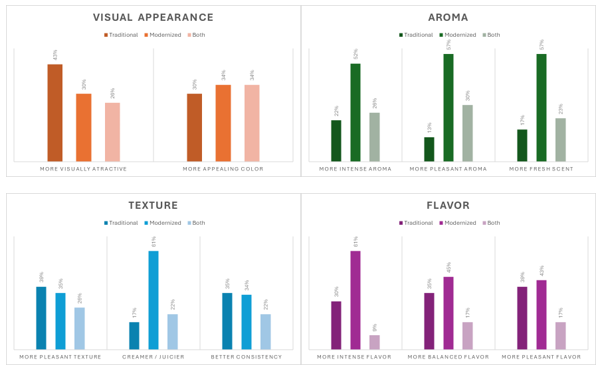
Figure 5. Sensory preference for traditional vs. modernized versions of tiramisù.

Tradition and modernization

The results of the tasting confirmed that it is possible to improve the nutritional profile of traditional recipes without compromising sensory acceptance. The key lies in balancing tradition and nutritional enhancement: some participants preferred the classic versions for their familiar flavours, while other participants appreciated the modernized versions, showing openness to recipes that combine health benefits with sensory enjoyment (Figure 6).

Overall, the experience demonstrated that modernizing traditional recipes can be an effective tool to enhance their nutritional value while respecting their identity and maintaining consumer acceptance. Small changes, big impact: tradition and health can coexist in Mediterranean cuisine.
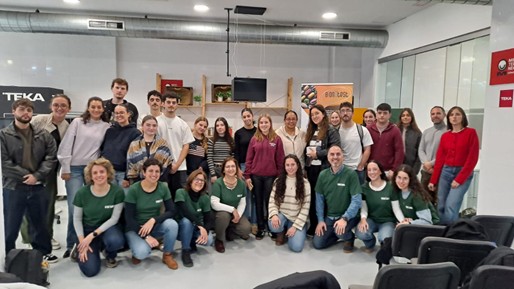
Figure 6. Group photo of professors and students participating in the MEDIET4ALL workshop at the Mediterráneo Culinary Center (Valencia, Spain).

By Marta Cuenca-Ortolá, Mónica Gandía, Guadalupe Garcia-Llatas, Antonio Cilla, Amparo Gamero

Bionutest research group, Faculty of Pharmacy and Food Sciences, University of Valencia, Spain