
Research Internship Framework
Valentina Craparo, PhD student from UNIPA under the tutoring of Prof. Nicola Francesca, carried out a research stay as part of the MEDIET4ALL project between 1st April 2025 and 1st October 2025. The stay took place at the Faculty of Pharmacy and Food Sciences, University of Valencia, Burjassot (Valencia, Spain), under the supervision of Profs. Antonio Cilla, Mónica Gandía, and Amparo Gamero, with technical support in the lab provided by the PhD student Marta Cuenca. (Fig 1)
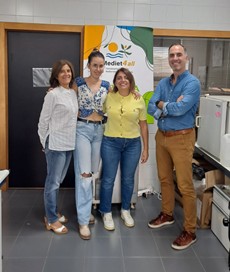
Fig. 1. Valentina and her UV supervisors
This period abroad formed part of a doctoral project entitled “Innovations to promote the aromatic enhancement and longevity of Catarratto wine through highly sustainable biotechnological strategies.” The main objective of this project, therefore, was to study the antioxidant characteristics of beverages produced using new biotechnological strategies, while also taking advantage of the expertise and resources offered by the host laboratory.
Antioxidant Analysis in Fermented Beverages
In particular, the activity carried out primarily concerned the extraction of both extractable and non-extractable antioxidants. Subsequently, the determination of the total antioxidant capacity (TAC) was performed in different food matrices, including white wine, sparkling white wine, and beer. To achieve this, TEAC (Trolox Equivalent Antioxidant Capacity) and ORAC (Oxygen Radical Absorbance Capacity) assays were used to quantify TAC, while additionally applying spectrophotometric determination of total polyphenols using the Folin-Ciocalteu method. (Fig. 2).
These analyses enabled the antioxidant profiles of different beverages to be compared, thereby contributing to quantify antioxidants in fermented products.
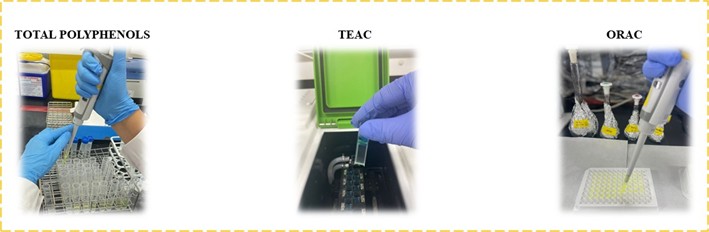
Fig. 2. Total antioxidant capacity (TAC) methods.
Cultural and Educational Exchange
While the scientific aspect of the research stay was crucial, it was not the only important component of this experience. During the period abroad, an engaging cultural exchange between Italy and Spain was also promoted, with particular attention given to exploring their respective gastronomic traditions. (Fig. 3).
In the end this exploration of aspects related to food culture contributed to a broader and more integrated educational experience for the pleasure of our palates.
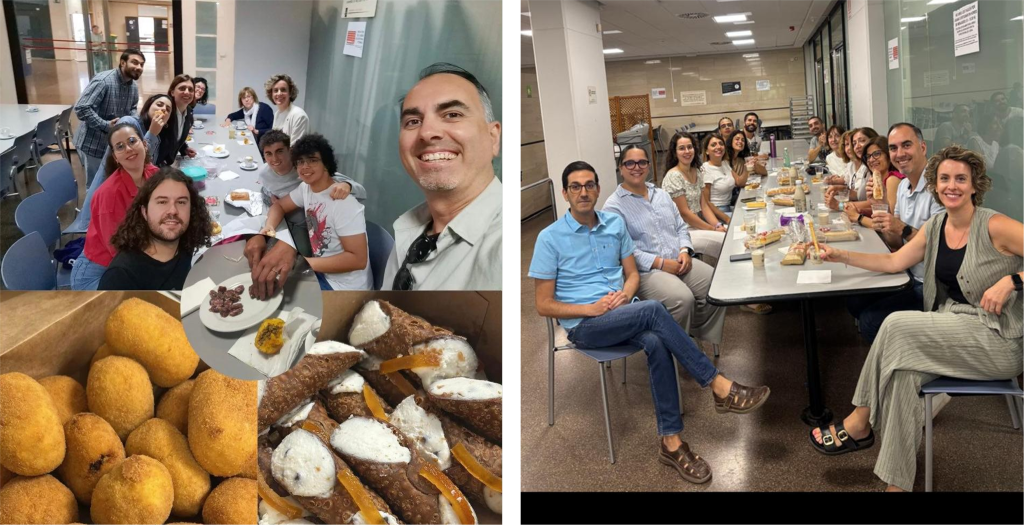
Fig. 3. Traditional Mediterranean food exchange between Italy and Spain. Left picture: arancini and cannoli from Sicily. Right picture: orxata and fartons from Valencia.