
The mediterranean diet culinary approach a flavorful ally against allergies
Food allergies are increasing worldwide, turning mealtimes into hazard for millions. Even in sunny Mediterranean nations, where fresh, flavorful dishes abound, more families are facing the scary reality of allergic reactions – from uncomfortable symptoms to life-threatening emergencies (like anaphylactic shoc). Be optimist, nature cotain always good solution, here’s some good news: that same Mediterranean diet, famous for keeping hearts healthy and lives long, might hold surprising power against allergies too!
Packed with immune-boosting olive oil, omega-rich fish, fibre with antioxidant-loaded fruits and vegetables, the Mediterranean diet offers more than just delicious flavors. Science suggests its natural variety may help prevent allergies while managing symptoms. However, some staple Mediterranean foods—such as nuts and seafood—are common allergens. Researchers are now exploring ways to reduce allergy risks while preserving the diet’s nutritional benefits and flavor.
What’s really causing your food allergies? Breaking down allergies vs. intolerances
Food-related health problems are becoming increasingly common worldwide. There is confusion between the terms “allergy,” “hypersensitivity,” and “intolerance,” especially among the general population (Figure 1). Understanding the distinctions between these terms is crucial for accurate diagnosis, effective treatment, and better patient care (1).
First, food allergies occur when the immune system reacts immediatelly and abnormally to certain food proteins, and this immune response is typically mediated by IgE (immunoglobulin E) antibodies, resulting in reactions ranging from mild skin symptoms such as hives to severe reactions such as anaphylactic shock (food).
In contrast, food intolerance refers to adverse reactions of our body to a food without the involvement of our immune system (no immunoglobulin E). These latter reactions can be due to various factors, including psychological aversions, pharmacological effects, or enzyme deficiencies in the most complex forms. We have two majors charecteristics for food intolerance: delayed symptoms (hours to days) and dose-dependence (no reaction to small amounts).
A hypersensitivity reaction is a most general term that encompasses both allergic reactions and food intolerances. It is an exaggerated response of our body to a normally harmless substance. This can include IgE-mediated reactions (true allergies) and non-IgE-mediated reactions (intolerances).
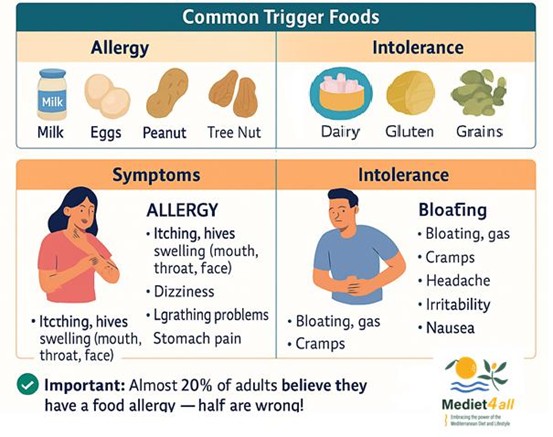
Figure 1: The Truth Behind Food Reactions: Allergy ≠ Intolerance
The mediterranean allergy mystery: why are our traditional foods turning against us?
In the sunny villages and lively seaside towns of the Mediterranean, where fresh vegetables glisten under a drizzle of golden olive oil, fresh seafood graces every table, and generations-old recipes are a source of pride—a troubling paradox is unfolding. Once-celebrated staples like walnut cake, tomato salad, and even simple bread now send increasing numbers of children and adults to hospitals with severe allergic reactions (2). How can the world’s healthiest diet, renowned for its anti-inflammatory benefits and longevity-promoting properties, also be driving an allergy epidemic?
Recent studies reveal that 3–10% of children and 1–5% of adults in Mediterranean countries now suffer from food allergies, mirroring a global surge in immune hypersensitivity (3). The usual suspects: Milk, eggs, seafood, and nuts—cornerstones of regional cuisine. Yet, there’s a critical twist: those who consume traditional, unprocessed Mediterranean foods (think olives, fresh fish, and seasonal produce) exhibit lower allergy rates than those reliant on modern, ultra-processed diets (4). The reason lies in the gut-immunity axis: traditional diets foster a diverse microbiome, strengthening the body’s defenses, while industrialized foods introduce “neo-allergens”—artificial compounds that disrupt immune tolerance (5).
This crisis carries dire consequences. Economically, allergy-related healthcare costs strain Mediterranean nations (WHO, 2023). Culturally, cherished recipes risk vanishing as families abandon them over safety fears (Figure 2). And globally, as the Mediterranean diet gains worldwide acclaim, its allergy patterns may follow—unless we act.
The MEDIET4ALL project under PRIMA calls for the protection and adaptation of Mediterranean dietary heritage: by understanding and reviving the immune-boosting secrets of ancestral eating patterns, we may still rescue not only the Mediterranean diet’s reputation as the healthiest in the world but also ensure that future generations can enjoy it safely, inclusively, and sustainably.
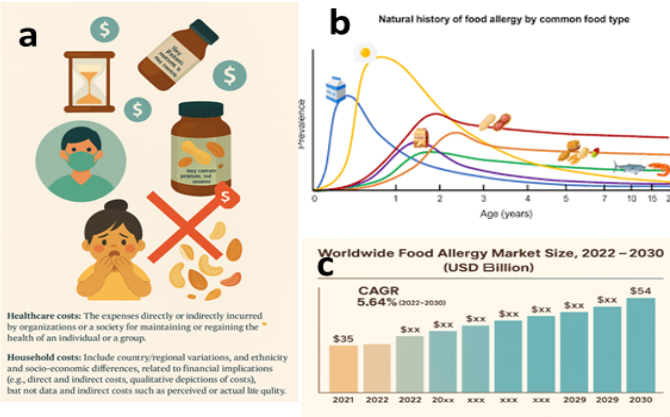
Figure 2: mediterranean allergy crisis: a) food allergies impact health, time, and money, b) trigger foods, age risks and c) soaring healthcare costs.
The immunity diet: How mediterranean diet culinary approach can calm Your allergies?
Groundbreaking research reveals the Mediterranean Diet’s powerful allergy-fighting potential (Figure 3), with studies showing its anti-inflammatory nutrients—omega-3s from fish, polyphenols in olive oil, and fiber-rich plants—reshape gut health and immune responses, cutting childhood allergy risks by 30-50% when consumed during pregnancy and early life (6,7). This protective effect stems from the diet’s unique ability to promote immune tolerance by balancing Th1/Th2 responses and enriching the microbiome, offering a science-backed strategy to combat the global allergy epidemic while preserving cultural food traditions (8,9).
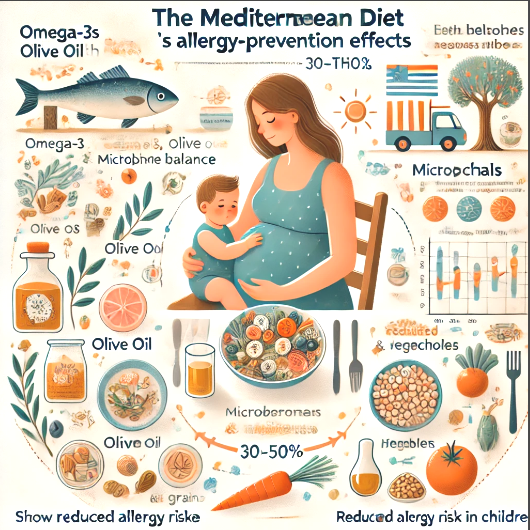
Figure 3: Nature’s First Vaccine: Mediterranean Foods That Guard Unborn Babies
BIBLIOGRAPHY
- Gargano, D., Appanna, R., Santonicola, A., De Bartolomeis, F., Stellato, C., Cianferoni, A., … & Iovino, P. (2021). Food allergy and intolerance: A narrative review on nutritional concerns. Nutrients, 13(5), 1638.
- Agache, I., Antolin‐Amerigo, D., de Blay, F., Boccabella, C., Caruso, C., Chanez, P., … & Eguiluz‐Gracia, I. (2022). EAACI position paper on the clinical use of the bronchial allergen challenge: Unmet needs and research priorities. Allergy, 77(6), 1667-1684.
- Warren, C. M., Jiang, J., & Gupta, R. S. (2020). Epidemiology and Burden of Food Allergy. Current allergy and asthma reports, 20(2), 6. https://doi.org/10.1007/s11882-020-0898-7
- Katidi, A., Vlassopoulos, A., Noutsos, S., & Kapsokefalou, M. (2023). Ultra-processed foods in the Mediterranean diet according to the NOVA classification system; a food level analysis of branded foods in Greece. Foods, 12(7), 1520.
- Fong, A. T., Ahlstedt, S., Golding, M. A., & Protudjer, J. L. P. (2022). The Economic Burden of Food Allergy: What We Know and What We Need to Learn. Current treatment options in allergy, 9(3), 169–186. https://doi.org/10.1007/s40521-022-00306-5
- Garcia-Larsen V, Ierodiakonou D, Jarrold K, Cunha S, Chivinge J, Robinson Z, et al. (2018) Diet during pregnancy and infancy and risk of allergic or autoimmune disease: A systematic review and meta-analysis. PLoS Med 15(2): e1002507. https://doi.org/10.1371/journal.pmed.1002507
- Venter, C., Palumbo, M. P., Sauder, K. A., Glueck, D. H., Liu, A. H., Yang, I. V., … & Dabelea, D. (2021). Incidence and timing of offspring asthma, wheeze, allergic rhinitis, atopic dermatitis, and food allergy and association with maternal history of asthma and allergic rhinitis. World Allergy Organization Journal, 14(3), 100526.
- Zhong, C., Guo, J., Tan, T., Wang, H., Lin, L., Gao, D., … & Yang, N. (2022). Increased food diversity in the first year of life is inversely associated with allergic outcomes in the second year. Pediatric Allergy and Immunology, 33(1), e13707.
- Wu, S., & Li, C. (2022). Influence of maternal fish oil supplementation on the risk of asthma or wheeze in children: a meta-analysis of randomized controlled trials. Frontiers in Pediatrics, 10, 817110.
Authors – Sadjia LAHIANI, Saida ISHAKBOUSHAKI, Taha KHALDI, Abdelbasset KATFI, Kamel DJENOUHAT and Fatma HALOUANE
University of Boumerdes (UMBB) and University of medical sciences (Algiers)r